


This is the ninth post of a 10-part series: AI Reality Check for Grocers. Here’s the first post.
You just got back from a conference. Or you saw the LinkedIn post. Or someone forwarded you the press release about what Kroger is doing with AI, and now your CEO has questions.
Either way, you’re feeling it. The pressure that comes from watching grocers with ten times your budget announce things that sound like the future while you’re still running replenishment on a system that was installed during the Obama administration.
So you’re thinking about moving. Fast. On something visible.
That instinct is going to cost you.
What the Keynote Left Out
The grocer on the conference stage is not showing you their starting point. They’re showing you their current state, scrubbed clean of the five years of unglamorous infrastructure work that made it possible.
Kroger didn’t build one of the most sophisticated retail data operations in the country by deploying a personalization engine. They built it by spending years getting their operational data right. Demand signals. Inventory accuracy. Supply chain visibility. The customer-facing intelligence came later, and it works because the underlying foundation is solid.
The keynote skips that part because nobody buys a conference ticket to hear about fixing the data. So you get the highlight reel. The AI-powered customer experience. The personalized offers. The smart loyalty program. And you walk out thinking that’s where you should start.
It isn’t.
The Mistake in Slow Motion
Here is how it plays out for a mid-tier grocer who takes the keynote at face value.
The board approves a consumer-facing AI project. Personalization engine, smart loyalty app, maybe a customer-facing chatbot. The vendor is credible. The demo is compelling. The implementation timeline is nine months. The press release is already drafted in someone’s head.
The project kicks off. The personalization engine needs data to work from, so it connects to the loyalty program and starts generating offers. Early results look reasonable. Engagement ticks up. Someone puts together a slide.
Then the quiet failures start:
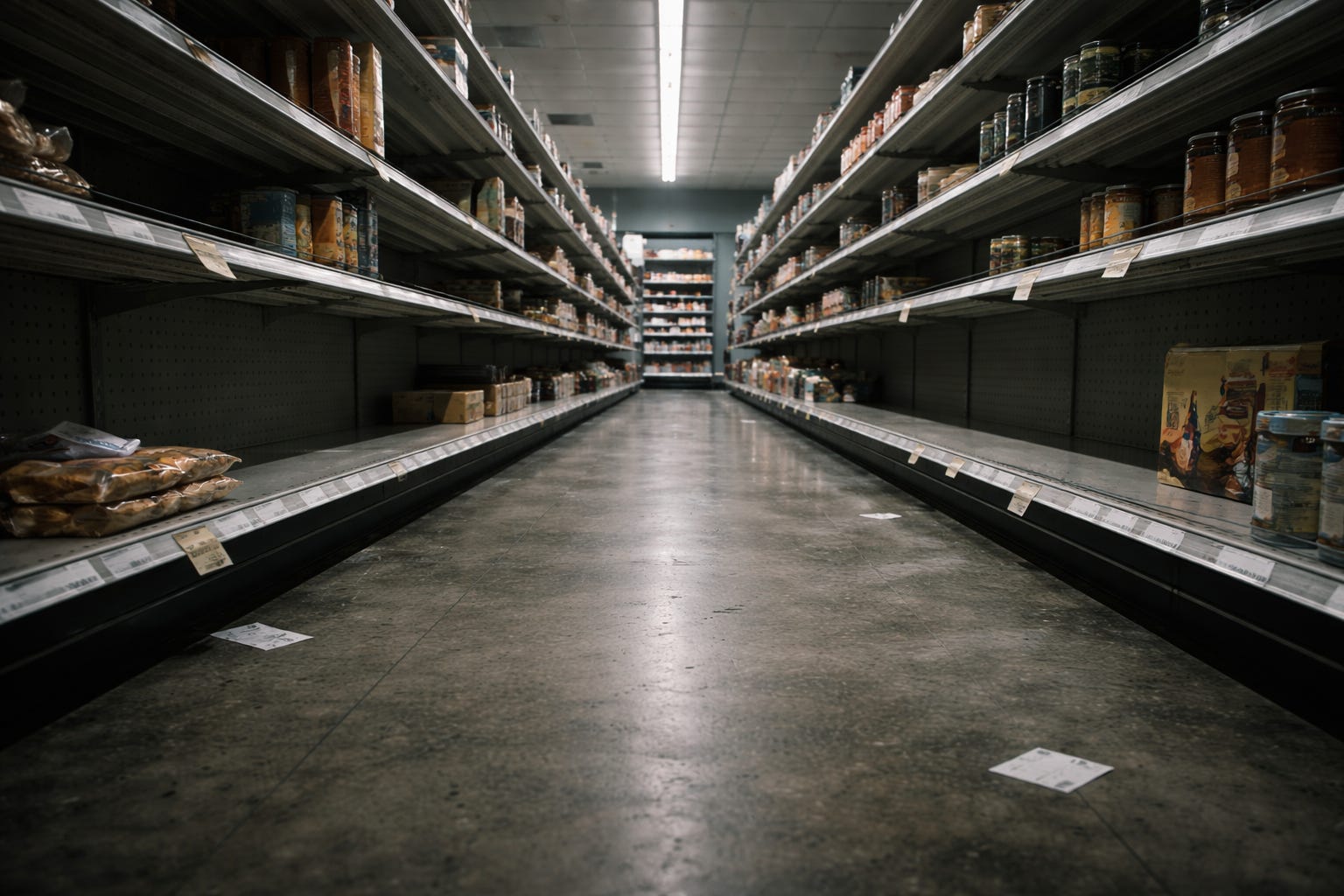
A promotion surfaces on a product that’s been out of stock for a week. The inventory record hasn’t caught up.
A customer receives a personalized recommendation for something she bought at full price three days ago, which is now discounted. The forecast data was stale.
Another customer drives to the store on the strength of an app notification, only to leave empty-handed. The shelf doesn’t match what the app promised.
None of these is catastrophic. They’re small frictions. But small frictions in grocery are loyalty events.
The customer doesn’t complain. She just quietly updates her mental model of whether your app is worth trusting.
The engagement metrics soften. The team tweaks the algorithm. The vendor runs an optimization sprint. The metrics soften again.
Months later, the project is being quietly repositioned. Not a failure. A foundation for the next phase. And that next phase doesn’t have a budget yet.
Why This Keeps Happening
Mid-tier grocers are in a genuinely difficult position. They're big enough to feel the competitive pressure from the chains above them. They're small enough that a bad technology bet actually hurts. And they're watching an industry conversation almost entirely dominated by grocers whose resources, data infrastructure, and technical teams bear no resemblance to theirs.
The Kroger announcement is not a roadmap for a 200-store regional grocer. It’s a destination. The road that got them there started somewhere most mid-tier grocers haven’t been yet.
That starting point is operational. Demand forecasting is accurate to matter. Inventory records are clean enough that an AI recommendation can actually be fulfilled when the customer shows up. Shrink visibility detailed enough to know where the problem is, rather than just how big it is.
This is the bottom of the pyramid. It’s invisible to customers. It doesn’t make trade press. It will not impress the board the way a personalization engine will.
Without it, the personalization engine is just a sophisticated way to disappoint your customers.
⏳The Paralysis Problem
Here’s what I actually see more often than the wrong leap: no leap at all.
The mid-tier grocer reads the Kroger announcement, feels the gap, concludes it’s too large to close, and waits. For budgets to free up. For the technology to mature. For a clearer signal about where to start. The waiting feels prudent. It isn’t. It’s just a slower version of falling behind.
And it’s how Instacart and other marketplace vendors keep winning. Every month a regional grocer spends waiting is a month those platforms spend getting more embedded in their operations, data, and customer relationships. Paralysis isn’t a neutral position. It’s a decision that someone else is making for you.
The operational AI that belongs at the bottom of the pyramid is available to a 200-store grocer right now. Demand forecasting. Automated replenishment. Shrink analytics. None of it requires a nine-figure budget. None of it requires a Kroger-sized technical team.
The barrier isn’t the technology. It’s the belief that the gap is too large to close from where you’re standing.
It isn’t. It’s just not closable from the top down.
The earlier posts in this series cover exactly what that looks like in practice, starting with demand forecasting, inventory accuracy, and shrink.
The foundation isn't a mystery. It's just not what the keynote was selling.
📋The Post-Mortem You Don’t Want To Write
Three years from now, there will be a version of the story in the first half of this post that actually happened. A regional grocer who felt the pressure, leaped at the visible layer, and spent eighteen months optimizing a customer experience that the operation underneath couldn’t support.
That post-mortem won’t get published. It never does.
But you’re reading this now, before the board meeting where someone forwards the Kroger article and asks what your AI strategy is. That question deserves a real answer, not a reactive one.
The real answer starts at the bottom of the pyramid. It isn’t glamorous, and it isn’t what anyone at the conference was talking about.
It’s also the only version of this that actually works.
AI Reality Check for Grocers is a 10-part series that cuts through the hype and focuses on where AI actually creates value, from the shelf to the supply chain.