


This is the fouth post in a 5-part series, The Unit Problem, on how grocers can reverse unit volume contraction. We began here.
TL;DR
Grocers spent billions fixing physical checkout. The shoppers they're losing never made it into their stores. List-building, substitution, and delivery/pickup windows are where unit volume actually disappears.
The grocery industry spent five years making the physical checkout faster. Amazon walked into grocery, scared everyone with what frictionless looked like, and the industry responded by throwing billions in capital at the last thirty feet of the shopping journey. With exceptions, most of it failed12.
The physical checkout is not where unit volume is leaking.
The Three Friction Points Nobody Fixed
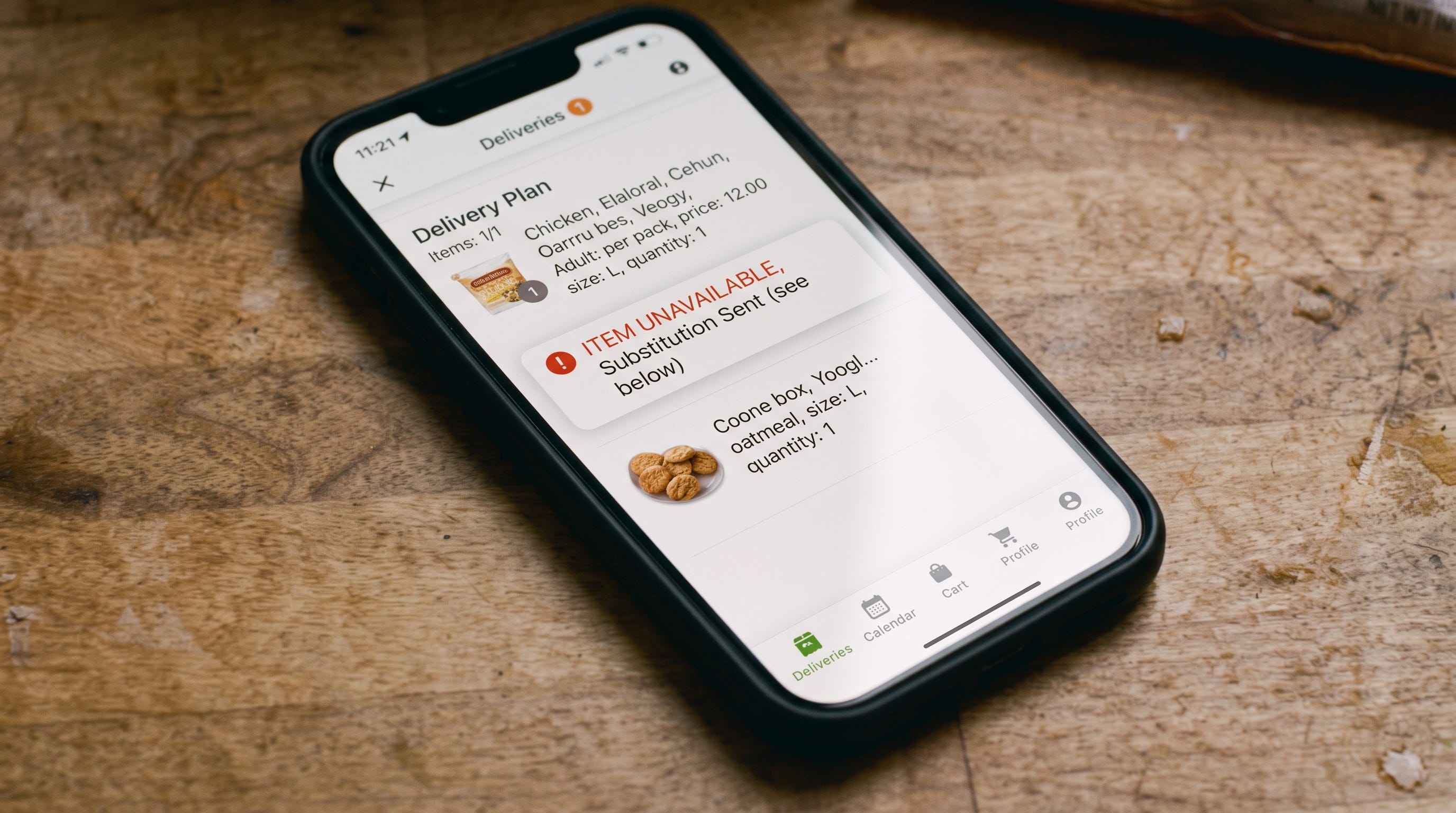
The shoppers who abandon their carts at digital checkout are visible. The transaction fails, and the data captures it. The shoppers who get three substitutions they did not want on their pickup orders, accept them, and never place another order are harder to see. And the shoppers who built a mental list on Sunday night, opened the app Monday morning, could not find two items, and quietly decided Instacart was easier never show up in the data at all.
There were no failed transactions, no abandonment events tracked. The orders never happened, baskets never got built, and unit volume crashes.
Grocery has not solved that problem. It has been optimizing around it.